
On wabi-sabi, and the beauty of the unfinished bowl.
A meditation on imperfection — the cracked rim, the off-center whisk, the silence between sips.
Not a trend, but a living tradition. Matcha as it was meant to be — slow, considered, and quietly alive in the small hours of the day. Tokyo · Paris — a house built on the search for real matcha.
— JINGŪ
I grew up watching my father whisk matcha in a small kitchen in Tokyo. The smell, the gesture, the quiet — none of it was ceremonious; it was just morning. When I moved to Paris to study, I ordered my first matcha latte at a café in the 6th. It tasted like green vegetable juice. I drank it anyway, and felt a small grief I didn't immediately understand.
What followed was a quiet search — through cafés, through Kyoto tea rooms, through the slow rituals of chadō. I learned that what most of the world was being sold as matcha bore no resemblance to the thing itself. JINGŪ is, in part, an attempt to fix that.
The house lives between Tokyo and Paris — the two cities that have shaped how we see beauty. From Tokyo: the rigour of shokunin craft, the quiet density of urban Zen. From Paris: l'art de vivre, the dignified café, the architecture of a slow morning.
Neither city dominates. They sit alongside the matcha — quietly, the way Tokyo sits inside a Paris kitchen at 7am.
JINGŪ does not make its own ceramics. We work directly with Takatori Hachizan XIII — the thirteenth-generation master of the Takatoriyaki Souke lineage, founded in 1600 as the official kiln for the Kuroda clan in Chikuzen, now Fukuoka. Four hundred and twenty years of glaze, soot, and patience.
Every bowl in the collection is thrown, glazed, and signed by his hand. The same is true of our matcha — single-origin, hand-shaded, stone-milled at small workshops in Uji, Yame, and Nishio.
What began as a personal search for real matcha became a small house, founded quietly in Tokyo — built around a single idea: matcha as it was meant to be.
Our first single-origin lots arrived from a fourth-generation grower in Uji — hand-shaded, hand-picked, and stone-milled in small batches, the way it has always been done.
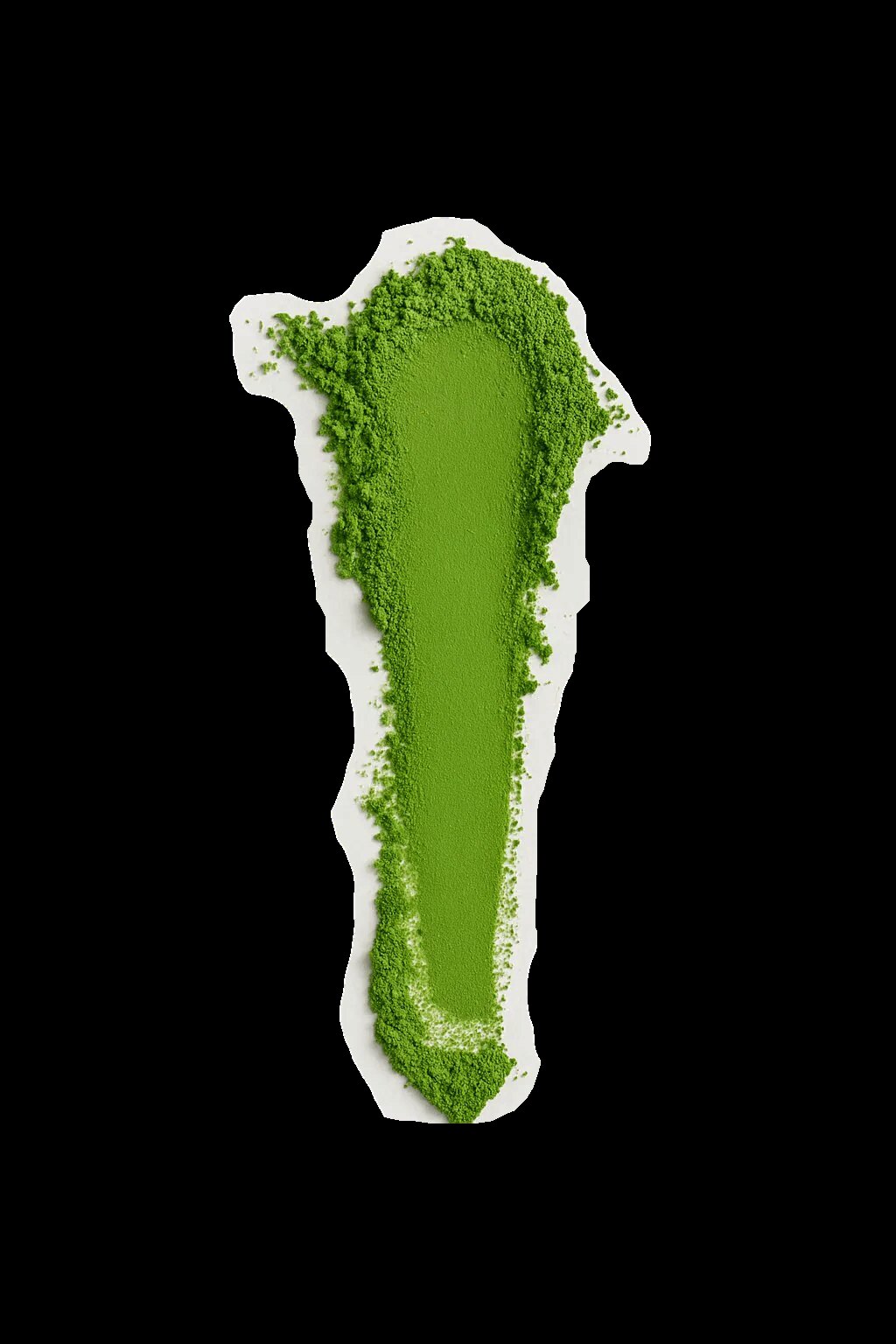
The first full collection — matcha, bowls, and instruments — arrived across both cities at once, marking the house's first proper season.
More than tea, chadō is a discipline of attention — a slow choreography of temperature, gesture, and stillness passed down for centuries.
We buy direct from the growers who shade, pick, and steam every leaf by hand — no brokers, no blending, no compromise on origin.
Every bowl, whisk, and scoop is made by a named craftsperson — the Takatoriyaki kiln, the bamboo cutters of Takayama, the stone-millers of Uji.
The point of all of it is quiet — eighty strokes, eighty seconds, a single cup that asks for nothing but your attention.
A meditation on imperfection — the cracked rim, the off-center whisk, the silence between sips.
From the breath between yoga poses to the rhythm of a long rally: a guide to matcha across the slow sports.
Mr. Tanaka has been picking tea for forty-one years. We followed him through the first morning of the spring harvest.
A short history of the bamboo whisk, the 16th-century town of Takayama, and the small workshop that still cuts every piece by hand.
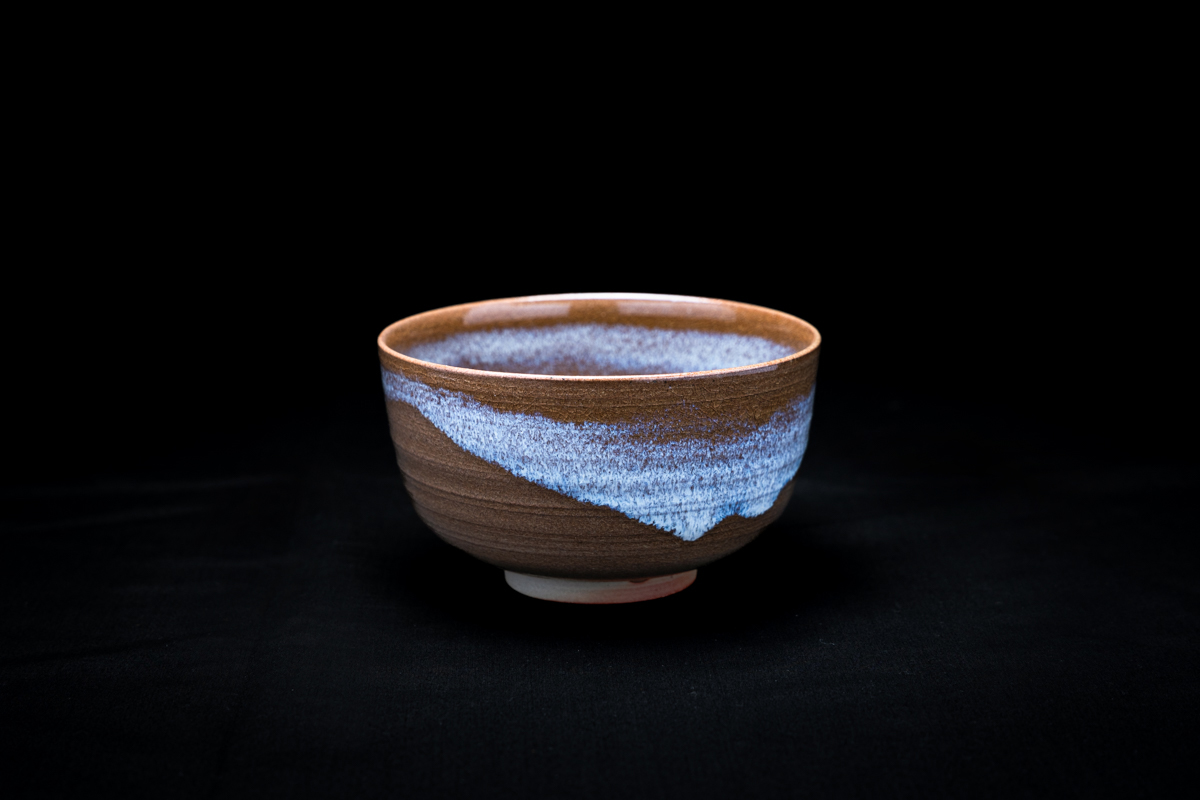
Four hundred and twenty years of glaze, soot, and patience. A conversation about inheritance, restraint, and what the next generation should keep.
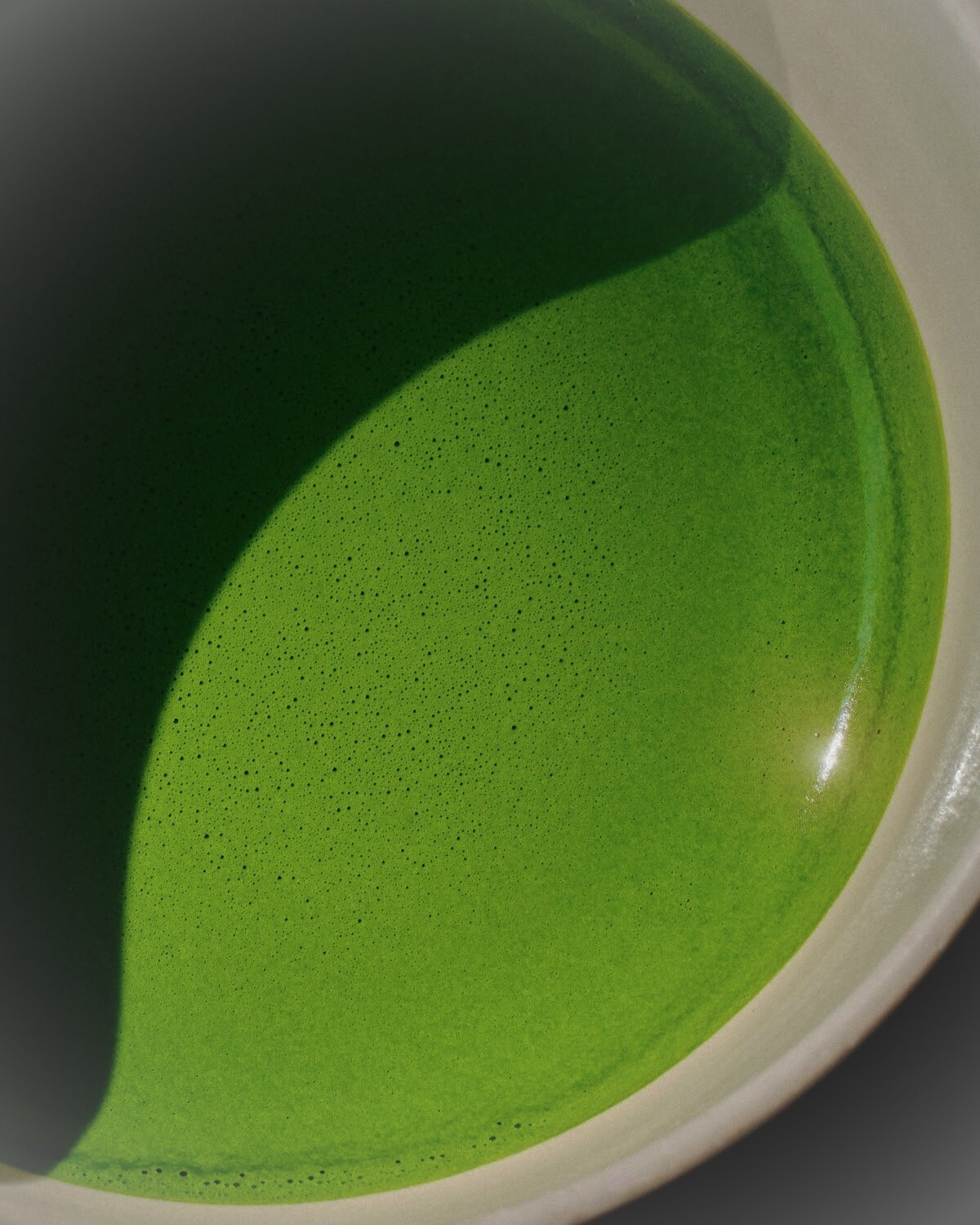
Eighty strokes, eighty seconds, eighty millilitres of water at seventy degrees. Notes on building a daily ritual that doesn't ask for anything in return.